
Week 8
Q1 Practical assignment (observation and analysis)
Define, in your own words, the Bauhaus, De Stijl and Swiss Movements.
For each of these movements: find examples from their eras, as well as current designs that are influenced by these styles. Explain in your own words how these designs were inspired by the movements.
BAUHAUS
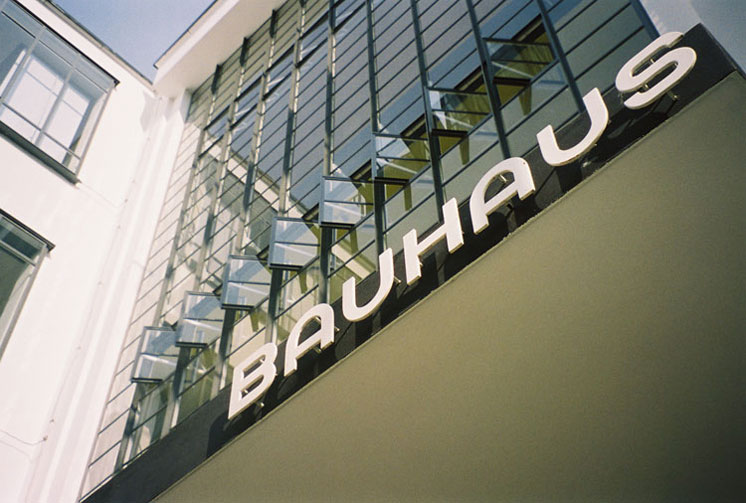
The Bauhaus was an art school that architect Walter Gropius established in Germany in 1919. It had a significant influence on the development of graphic design and the 20th century’s modern art. The Bauhaus favoured simplified forms, rationality, functionality and the idea that mass production could live in harmony with the artistic spirit of individuality. The school played a key role in developing the sans-serif typography, which they preferred because of its simplified geometric forms as an alternative to the heavily ornate German standard of blackletter typography. The Bauhaus replaced realistic drawings with photography and montage. Unfortunately, the school was forced to close its doors in 1933 due to pressure from the Nazi political party.
Designs from the era
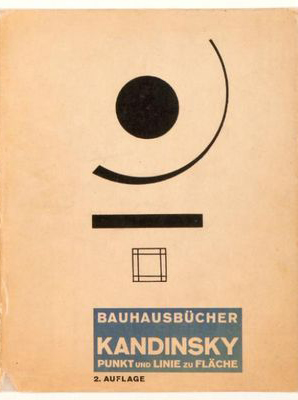
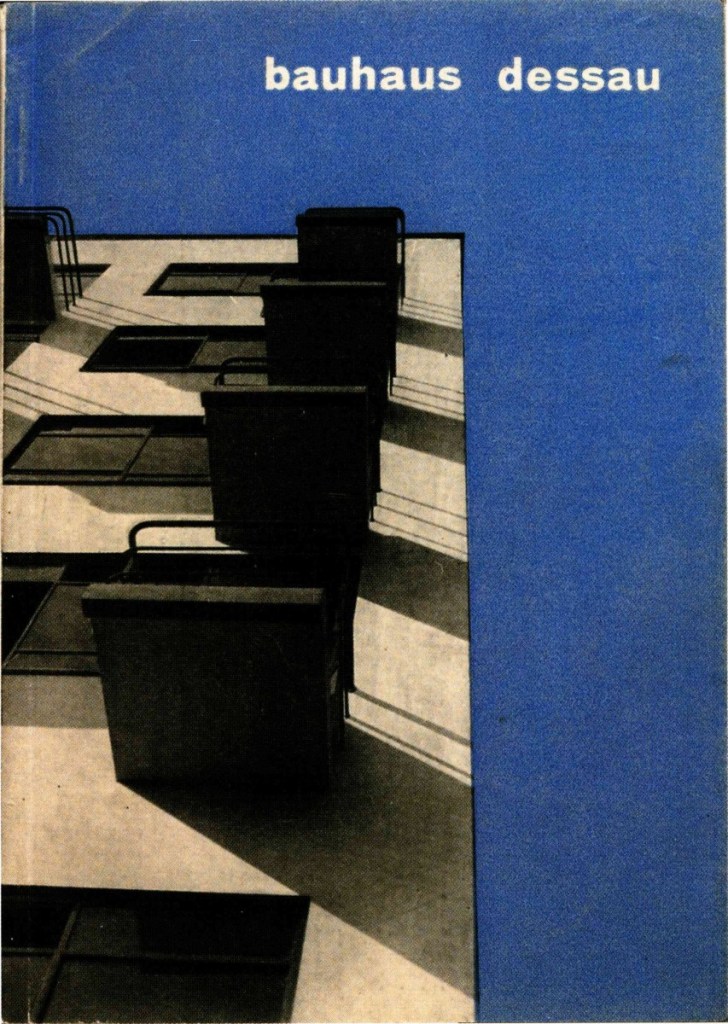
Current designs inspired in the movement

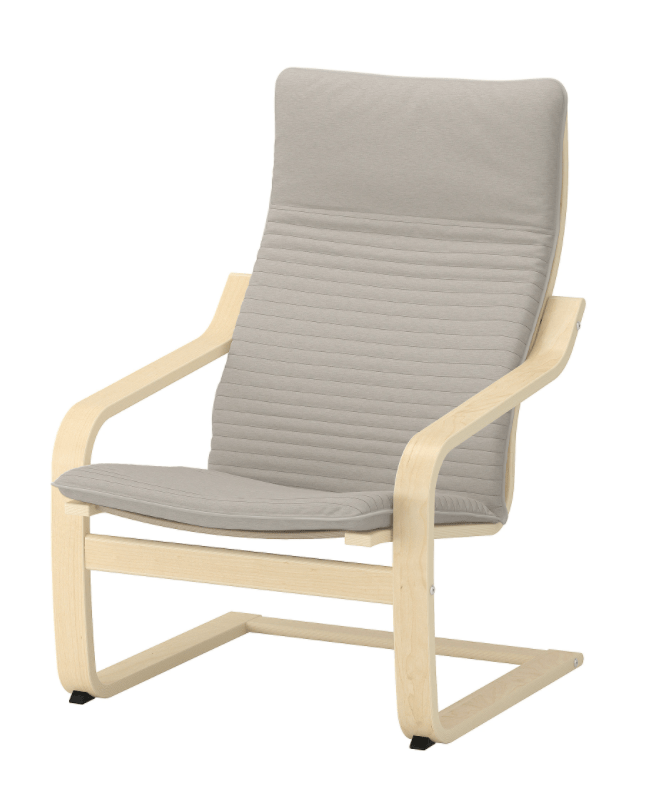
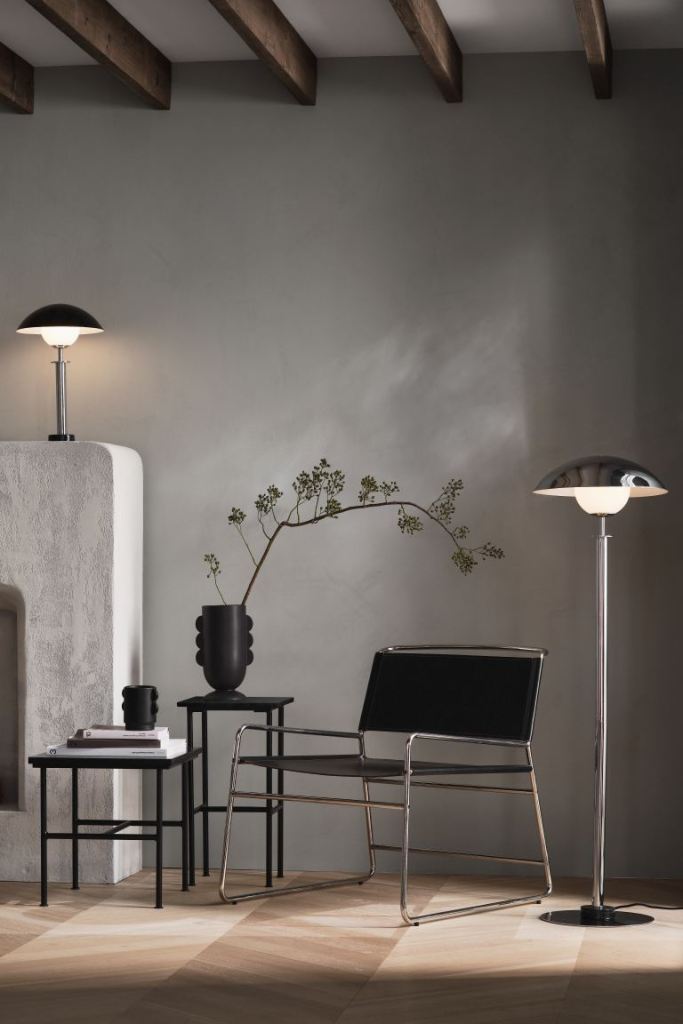

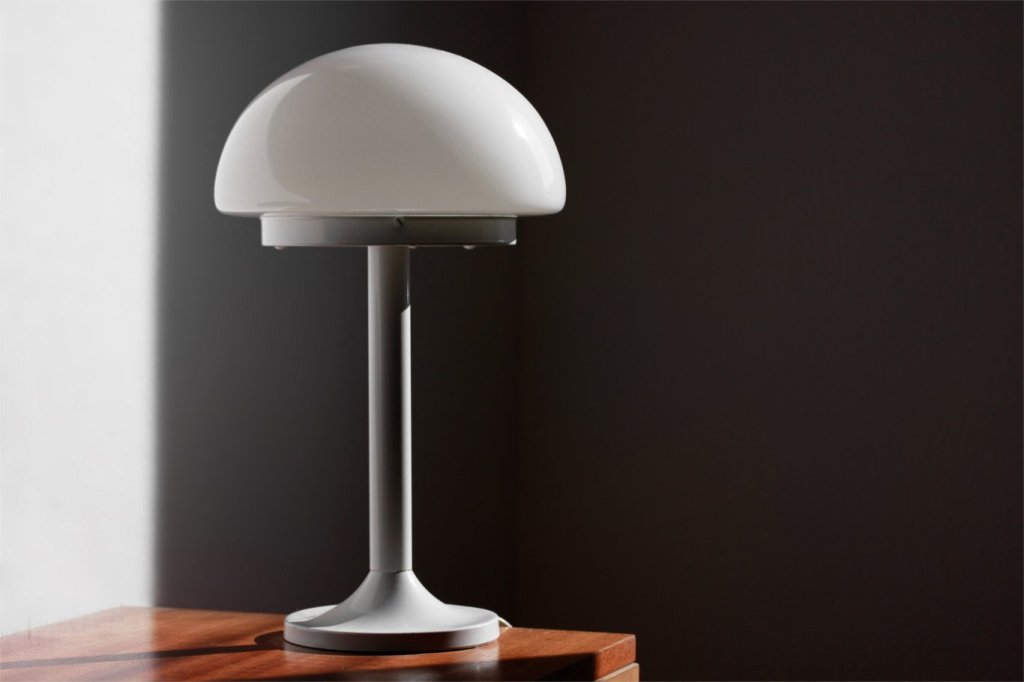
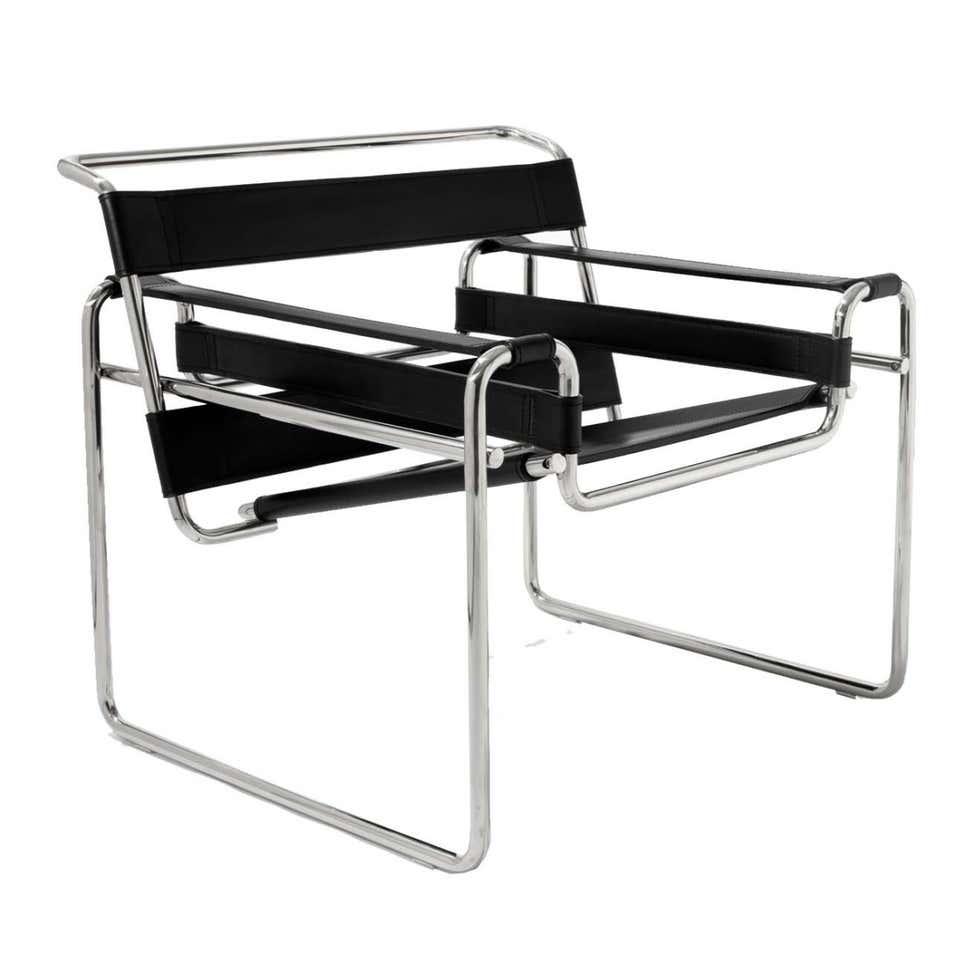
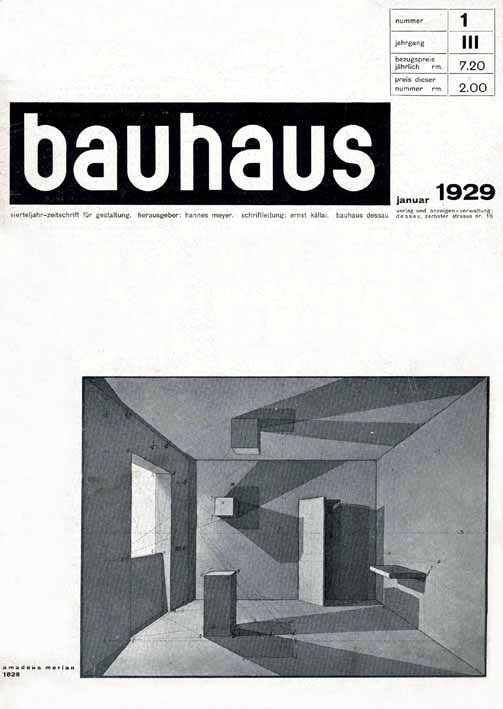
The posters use simplified forms and sans-serif fonts. The chairs and lamp are functional and have a simplified, minimalistic style. All these are characteristics of the Bauhaus movement.
DE STIJL
De Stijl, Dutch for “The Style”, was a Dutch art movement founded in 1917 in the Netherlands. The group’s principal members were the painters Theo van Doesburg and Piet Mondrian, and the architect Gerrit Reitveld. Through simplicity and abstraction, the movement developed a utopian style of harmony and order. All De Stijl design was based on the rectangle and the use of black, white, grey and the primary colours.
De Stijl was also a magazine edited from 1917 to 1931 by Doesburg that gathered the group’s ideas and theories. This publication and the ideas of reduction of form and colour are major influences on graphic design development.
Designs from the era
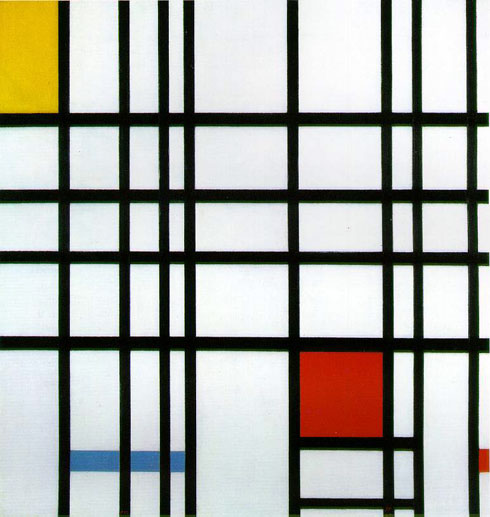
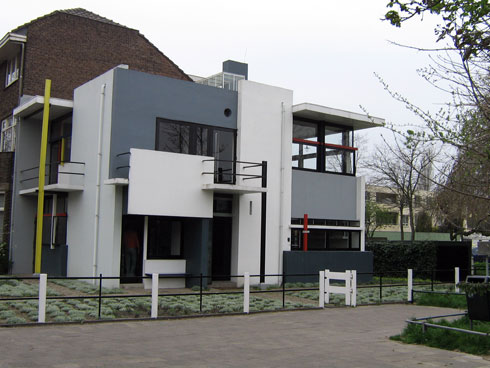
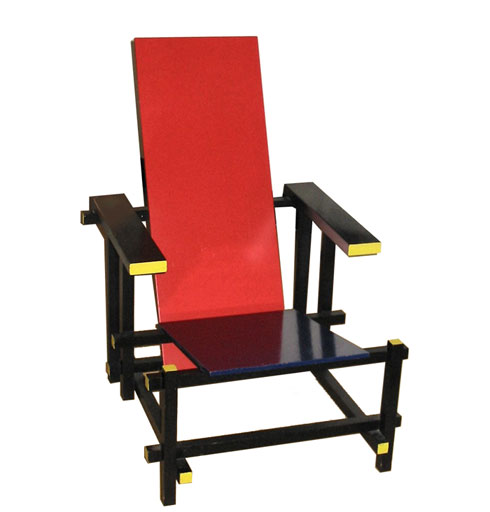
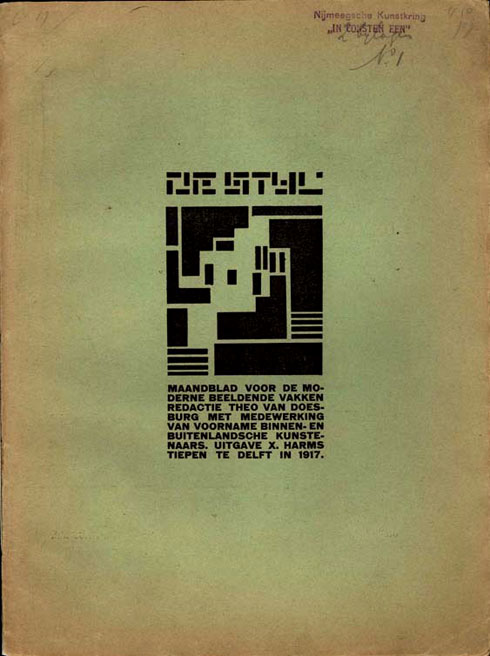
Current designs inspired in the movement
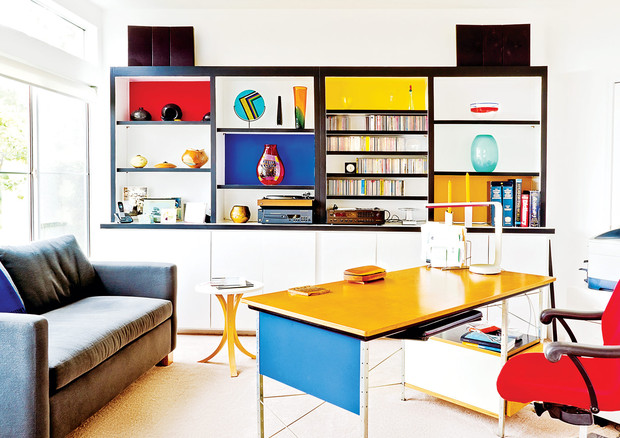
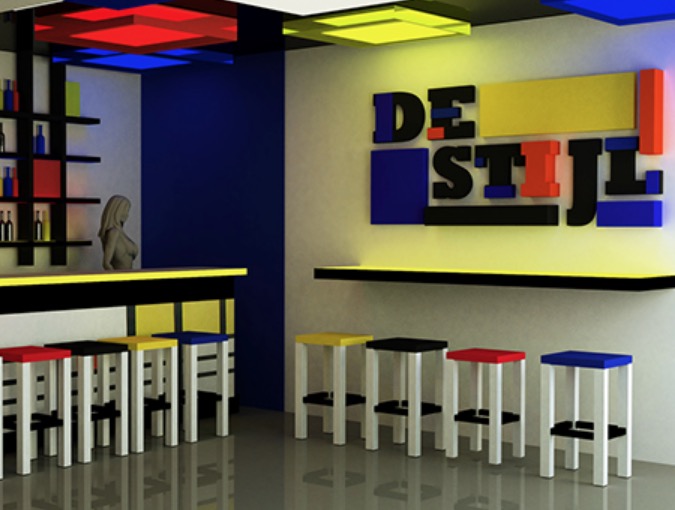

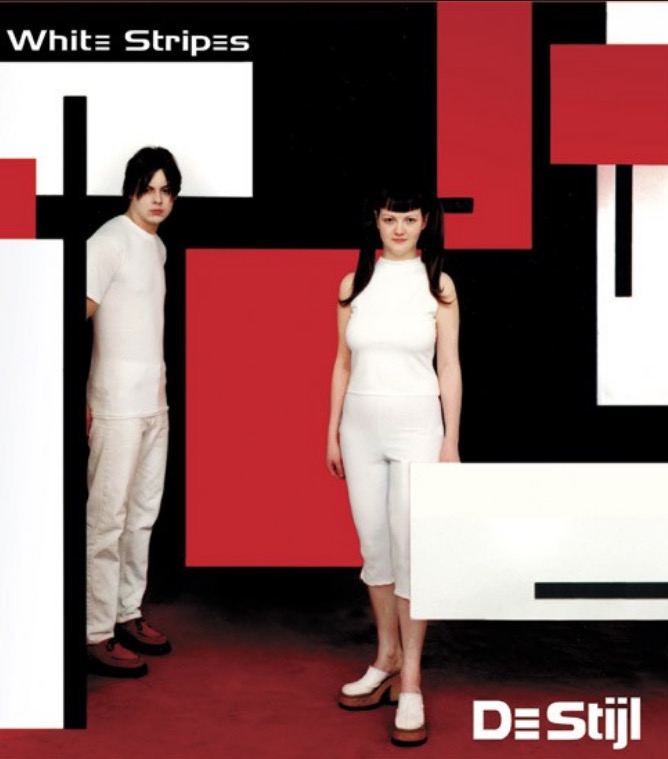
The use of colour in these examples – black, white and primary colours – is evidently inspired by De Stijl. The forms are rectangle and very simplified giving a sense or order. Web design and other user interfaces such as Windows Start Menu are influenced by this movement.
SWISS DESIGN
Swiss design, or International Style of Typography, originated in Switzerland in the 1940s and 50s and significantly influenced graphic design development during the mid 20th century. The movement took hold in two Swiss art schools, the School of Arts and Crafts in Zurich, led by Josef Müller-Brockmann, and the School of Design in Basel, led by Armin Hofmann. The characteristics of this style are object photography, sans-serif typography, lack of ornamentation, grids and asymmetrical layouts. The primary influential works were developed as posters, which were seen as the most effective means of communication.
Designs from the era
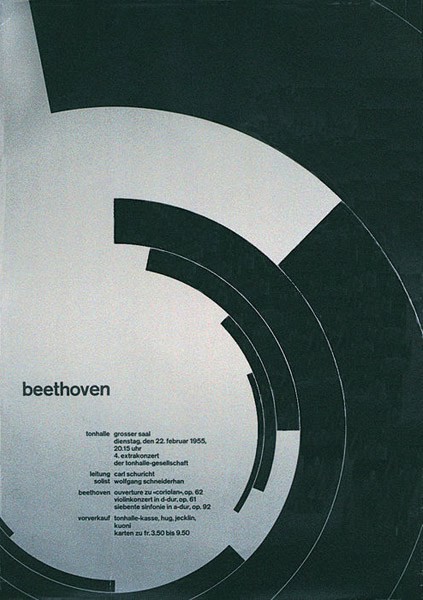
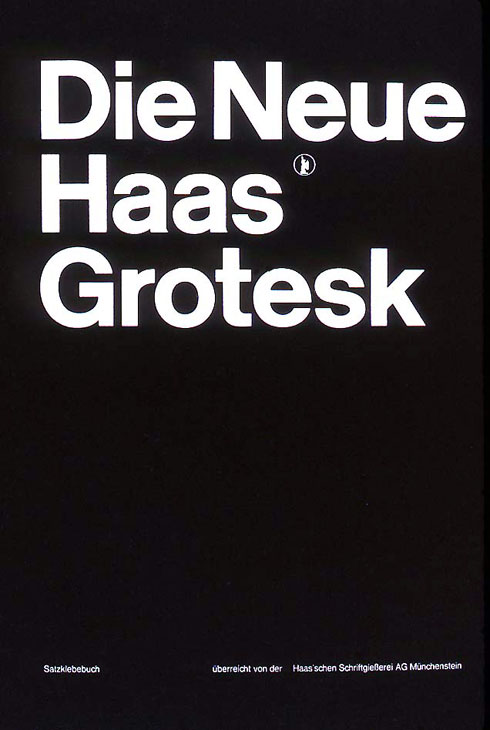
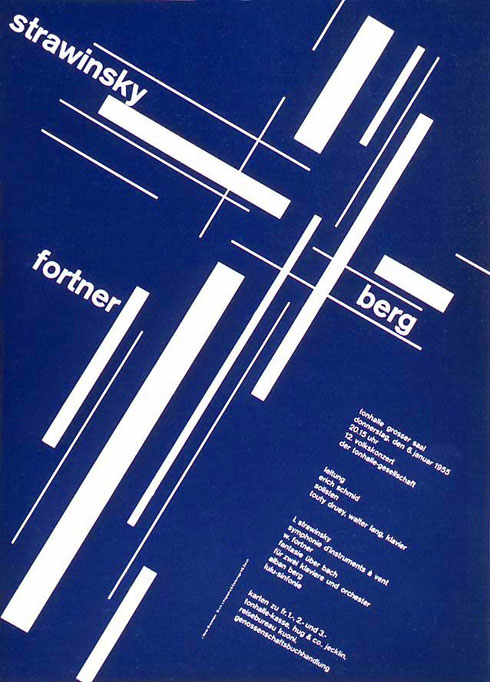


Current designs inspired in the movement

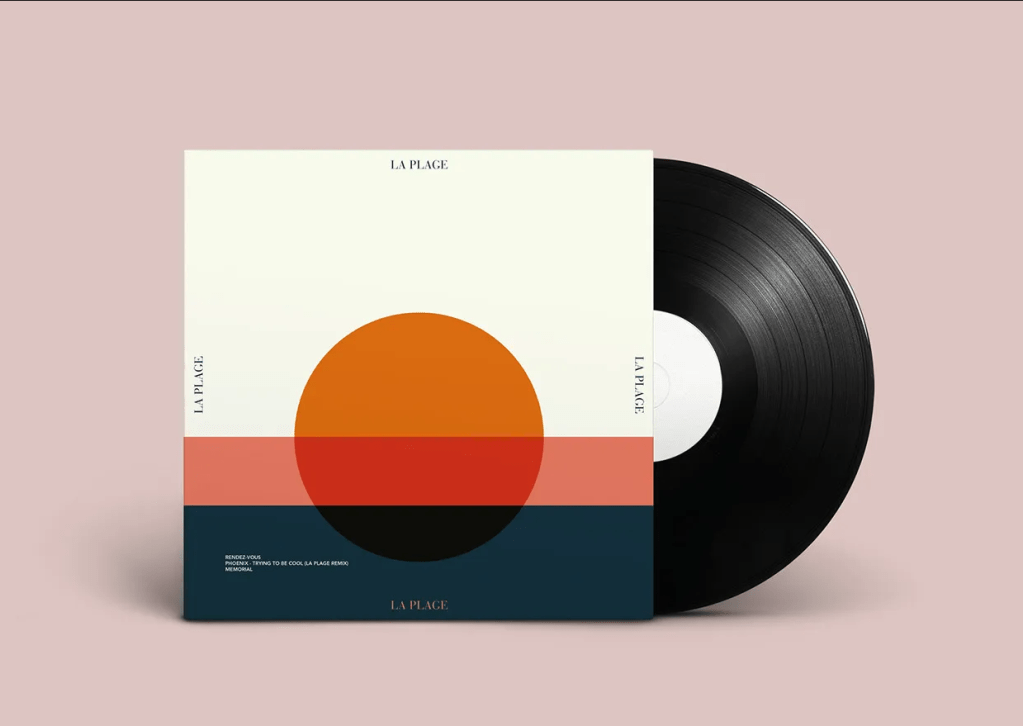

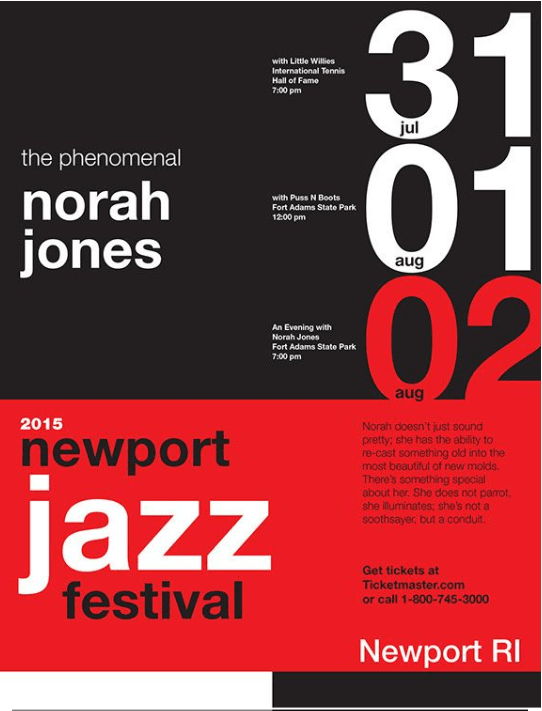
These contemporary examples play with object photography and sans-serif typography. They use grids and asymmetric layouts typical of the Swiss Design movement.
Q2 Research, written & practical assignment (problem solving)
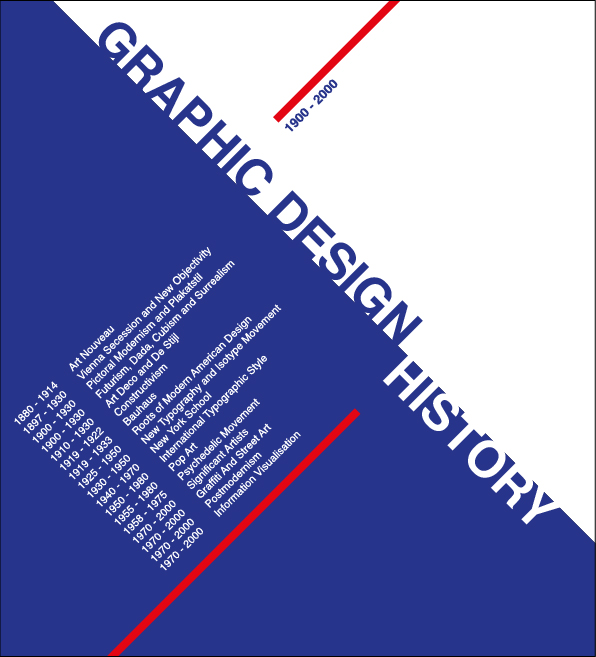
Look at the history timeline at the beginning of this lesson. Gather information from 1900 – 2000, and design your own timeline using the Swiss Design Style as your theme. Each movement should be described in a creative way.
Sources:
- https://designishistory.com
- Heller S., Chwast S. (2018) Graphic Style from Victorian to Hipster, New York, Abrams.
- https://thecharnelhouse.org/
- https://www.bauhauskooperation.com/
- https://www.kymo.de/
- https://gizmodo.com/
- https://www2.hm.com/
- https://www.humanities.uci.edu/
- https://ikea.com
- https://www.vogue.co.uk/
- https://www.motherjones.com/
- https://creativemarket.com/
- https://a-g-i.org/
- https://www.hipsthetic.com/
 Mónica's Design Journey